When Pedro Pascal stepped onto the stage in Mexico City for a special screening and fan event tied to The Mandalorian and the much-anticipated return of Grogu, few expected the raw emotional weight that followed. The actor, known for his stoic performances and guarded public persona, visibly fought back tears during a tribute that honored not just the show, but the deep connection fans have forged with its characters—especially the bond between Din Djarin and the child.
This wasn’t a red carpet premiere or a polished studio press junket. It was a grassroots celebration of fandom, organized with genuine affection and held in a country where sci-fi and fantasy have built passionate, loyal communities. And in that unscripted moment, Pascal’s composure cracked—not from sorrow, but from overwhelming gratitude.
The Weight Behind the Tears
Pedro Pascal has never been one to overshare. His interviews are thoughtful, often poetic, but guarded. He speaks carefully about his roles—be it Oberyn Martell in Game of Thrones, Jordan Richter in Narcos, or Joel in The Last of Us—always redirecting praise to collaborators, writers, and crews. So when he blinked rapidly, jaw tightening, as a montage of fan art, clips, and letters from Mexican fans played on screen, it wasn’t just a reaction. It was a surrender to something larger than himself.
The event featured children dressed as tiny Mandalorians, hand-knit Grogu plushies, fan-made droid replicas, and even a mariachi rendition of the Mandalorian theme. One young fan handed Pascal a drawing of Din Djarin holding Grogu under a starry sky, with the words “Gracias por protegerlo” — thank you for protecting him — scribbled beneath. Pascal paused, read it aloud in Spanish, and turned away for a moment.
That’s when the emotion surfaced.
It wasn’t performative. There was no camera angle dictating the moment—just hundreds of witnesses seeing an actor momentarily dwarfed by the emotional gravity of what his work has meant to people. For Pascal, who has spoken openly about his family’s political exile from Chile and the emotional scars left by his parents’ activism, protection—especially of the vulnerable—is a deeply personal theme.
Why This Moment Resonated
The Mandalorian, as a character, is defined by quiet strength, emotional restraint, and a moral code rooted in duty and care. Pascal embodies that restraint, delivering powerful performances largely through voice and body language, since the character’s face is rarely seen. But off-screen, Pascal is the emotional conduit—the human behind the helmet.
At this event, the inverse happened: the man behind the myth became vulnerable, while the audience—many of them parents bringing their kids—became the protectors, holding space for his emotion.
This moment mattered because it flipped the script. In The Mandalorian, Din Djarin shields Grogu from danger. In Mexico, fans shielded Pedro Pascal from the expectation of constant strength. They gave him permission to feel.
Social media lit up instantly. Clips of the moment racked up millions of views. Memes emerged—tender ones, not mocking. “The Mandalorian finally took off the helmet,” read one caption. Another: “He spent three seasons protecting Grogu. Today, Mexico protected him.”
The Role of Grogu in Forging Emotional Bonds
Grogu—affectionately known as “Baby Yoda” in early seasons—is more than a pop culture phenomenon. He’s a narrative device that unlocks emotional availability in hardened characters and audiences alike.
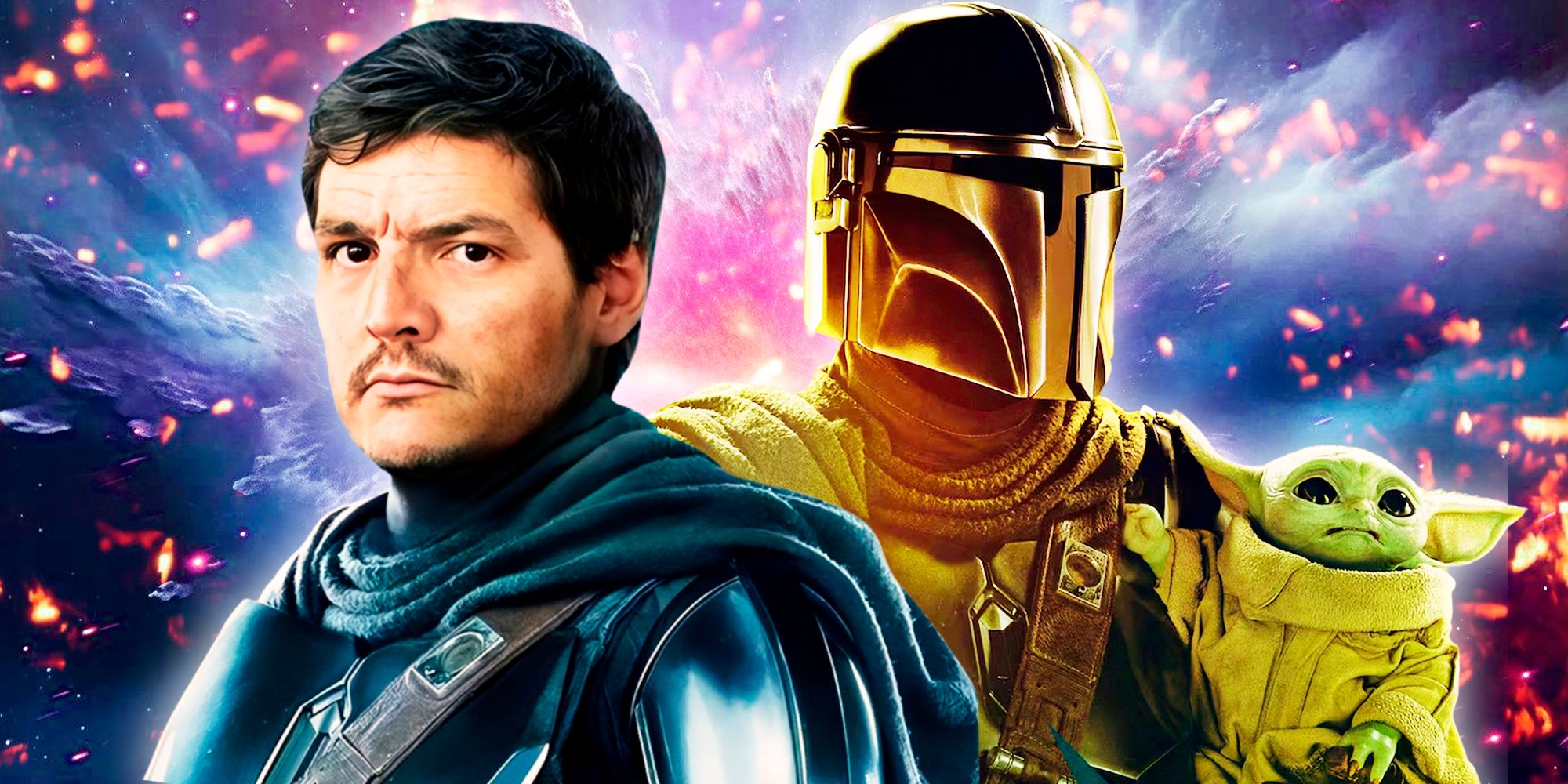
For Pascal’s Din Djarin, Grogu is the catalyst for transformation—from lone bounty hunter to reluctant father figure. For viewers, Grogu elicits primal empathy. His large eyes, soft vocalizations, and innocent curiosity tap into deep psychological triggers associated with caregiving.
At the Mexico event, Grogu’s presence was everywhere—on shirts, in balloon form, in stop-motion animations made by local film students. But more than that, his spirit was present in the way people interacted: gently, with wonder, with protectiveness.
One fan pointed out that Grogu rarely speaks, yet communicates profoundly. So does Pascal in this moment—no words, just a swallowed breath, a hand over his mouth, and a nod of thanks. In both cases, silence speaks louder.
The Cultural Significance in Mexico
Mexico has a rich history with sci-fi and fantasy storytelling—from the mythic visuals of Guillermo del Toro’s films to the underground lucha libre–inspired comics that blend folklore with superhero tropes. When The Mandalorian arrived, it resonated not just as American entertainment, but as a modern myth that aligned with local values: family, honor, and resilience in adversity.
The event, held at a restored art deco theater in the Roma neighborhood, was co-hosted by Mexican filmmakers and Disney Latin America. It included a panel with local voice actors who dubbed the series into Spanish, a cosplay contest, and a short film made by a collective of young animators in Oaxaca, depicting Grogu discovering alebrijes—colorful spirit animals in Mexican folk art.
Pascal, fluent in Spanish and deeply connected to Latin American culture, engaged warmly throughout. But it was during the tribute segment—when a young girl recited a poem she wrote about “el guerrero solitario que encontró a su familia en las estrellas”—that his composure wavered.
He later said, simply, “This is why we do it.”
Behind the Scenes: Pascal’s Relationship
with the Role
While Pascal is contractually obligated to wear the armor and limit facial exposure, he has fought for creative input on Din Djarin’s emotional arc. Behind closed doors, he’s known for advocating for subtle shifts in delivery, posture, and timing that convey internal struggle without words.
In interviews, he’s described the role as “a meditation on fatherhood, identity, and legacy.” He has also admitted to feeling protective of Grogu—both the character and the puppeteers and performers who bring him to life.
At the event, Pascal shared a rare behind-the-scenes anecdote: during the Season 2 finale, when Din Djarin finally removes his helmet to say goodbye to Grogu, Pascal insisted on doing the scene in a single take. “I didn’t want to relive that goodbye,” he said. “One time was enough.”
Moments like these explain why the tribute in Mexico hit so hard. It wasn’t just about a TV show. It was about shared emotional labor—between actor and audience, between storyteller and community.
A Shift in Celebrity-Fan Dynamics
Modern fan events often feel transactional—merchandise booths, photo ops, choreographed Q&As. But this gathering had the tone of a cultural exchange. There were no aggressive paparazzi, no scripted corporate messaging. Just people who love a story coming together to honor its impact.
Pascal’s emotional response signals a broader shift: audiences no longer just want access. They want authenticity. And stars like Pascal, who resist overexposure, become more revered when they finally let their guard down.
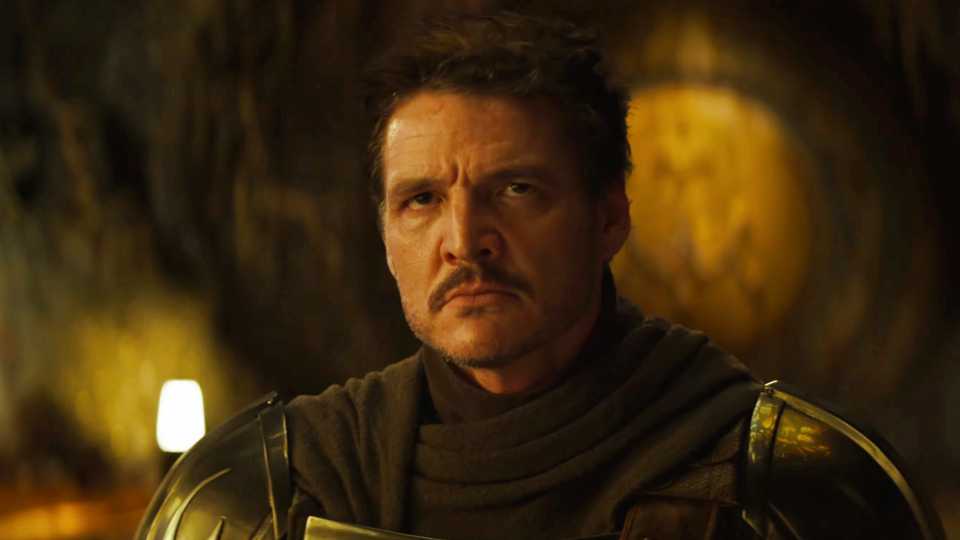
This moment also contrasts sharply with the typical Hollywood tour, where actors promote projects with polished soundbites. In Mexico, Pascal wasn’t promoting—he was participating. He hugged fans, posed for photos without rushing, and spent extra time with children who were visibly starstruck.
One mother later shared online: “My son has autism. He didn’t speak all evening. But when Pedro knelt to his level and said, ‘You’re a true Mandalorian,’ he smiled. He hasn’t stopped talking about it.”
The Lasting Impact of Vulnerability
In an era where mental health awareness is rising, public figures showing vulnerability—especially men—carries weight. Pascal didn’t break down. He fought back tears. The distinction matters. It wasn’t weakness; it was the visible effort of someone trying to hold it together in the face of profound appreciation.
That struggle, that tension between composure and emotion, is something millions recognize in their own lives. It’s the parent at a graduation, the veteran at a memorial, the artist at their first exhibition. Pascal’s moment became a mirror.
For the Mandalorian franchise, this kind of organic, heartfelt connection strengthens its cultural staying power. It’s not just a Disney+ show—it’s a shared emotional language.
And for fans in Mexico and beyond, it was proof that their devotion is seen, felt, and returned.
Moving Forward: What
This Means for Storytelling
The emotional resonance of this event underscores a growing truth in entertainment: audiences crave meaning, not just spectacle. They want stories that reflect real human bonds—protection, sacrifice, belonging.
Pascal’s reaction wasn’t just about gratitude. It was confirmation that the story worked. That the quiet fatherhood arc, the unspoken love between Din Djarin and Grogu, had transcended screen and language to touch lives.
As The Mandalorian moves toward its final chapters—and with The Mandalorian & Grogu feature film on the horizon—this moment in Mexico may be remembered not as a footnote, but as a turning point. A reminder that the most powerful armor isn’t beskar steel. It’s the courage to be moved.
If you’re touched by stories where strength and sensitivity coexist, seek out moments like this—not just in entertainment, but in your own community. Support local fan events, engage with creators authentically, and don’t shy away from showing emotion. The best connections are forged in honesty.
FAQ
Why did Pedro Pascal cry at the Mandalorian event in Mexico? He was deeply moved by a heartfelt tribute from fans, including children’s artwork and personal messages, which honored his role as Din Djarin and the bond between the character and Grogu.
Was Pedro Pascal emotional during the entire event? No—he remained composed throughout most of the evening, only showing visible emotion during a fan tribute segment that included a poem and a drawing from a young fan.
Did Pedro Pascal speak Spanish at the event? Yes, he spoke fluent Spanish, engaging warmly with fans and hosts, and even read a fan’s drawing aloud in Spanish.
What was special about the Mexico event compared to other fan gatherings? It had a grassroots, cultural tone, blending Mandalorian fandom with Mexican traditions, including fan-made alebrijes, a mariachi theme performance, and participation from local filmmakers.
Is there video of Pedro Pascal fighting back tears? Yes, multiple fan-recorded clips circulated on social media and were later picked up by entertainment outlets.
How has the public reacted to this moment? Overwhelmingly positively—fans praised Pascal’s authenticity, and the moment sparked conversations about emotional vulnerability in men and the impact of storytelling.
Did this event hint at future Mandalorian projects? While no official announcements were made, Pascal referred to “the journey continuing,” likely alluding to the upcoming Mandalorian & Grogu movie.
FAQ
What should you look for in Pedro Pascal Fights Back Tears at Mandalorian Event in Mexico? Focus on relevance, practical value, and how well the solution matches real user intent.
Is Pedro Pascal Fights Back Tears at Mandalorian Event in Mexico suitable for beginners? That depends on the workflow, but a clear step-by-step approach usually makes it easier to start.
How do you compare options around Pedro Pascal Fights Back Tears at Mandalorian Event in Mexico? Compare features, trust signals, limitations, pricing, and ease of implementation.
What mistakes should you avoid? Avoid generic choices, weak validation, and decisions based only on marketing claims.
What is the next best step? Shortlist the most relevant options, validate them quickly, and refine from real-world results.